
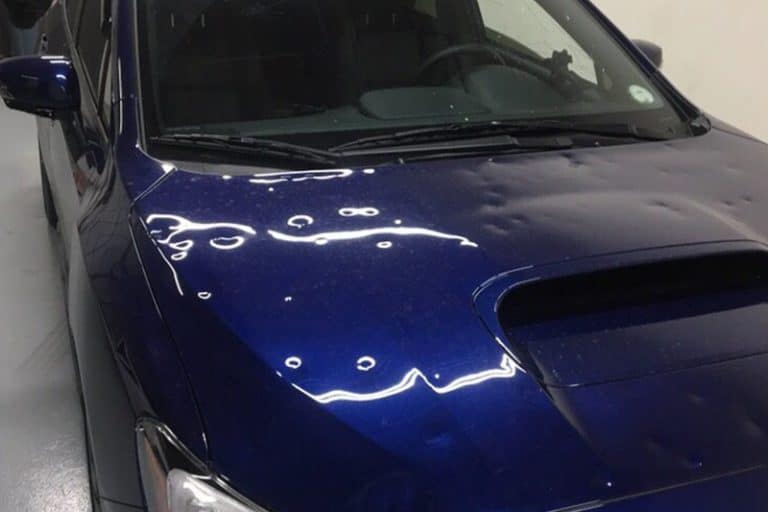
If you’ve ever walked out to your car in a Denver parking lot and found a new dent courtesy of a careless door swing, you know that sinking feeling. Or maybe a summer hailstorm rolled through Aurora or Centennial and left your hood looking like a golf ball. Either way, you’re probably wondering what it takes to fix those dents without spending a fortune or waiting weeks at a body shop.
At Rocky Mountain Dent Service, we specialize in paintless dent repair (PDR), and we get questions about the process all the time. How does it work? Will it damage my paint? How long does it take? We figured it was time to walk you through exactly what happens when you bring your vehicle to us for PDR. Whether you’re dealing with hail damage, door dings, or minor creases, understanding each step can help you feel confident about the repair and know what to expect.
Key Takeaways
- Paintless dent repair (PDR) removes dents without fillers, sanding, or repainting—preserving your vehicle’s original factory finish and resale value.
- The PDR process involves five steps: damage assessment, gaining panel access, reshaping metal with specialized tools, refining the repair, and a final quality inspection.
- PDR works best when your paint is intact and the dent hasn’t stretched the metal too severely, making it ideal for hail damage and door dings.
- Technicians use push rods from behind panels and glue-pulling techniques for hard-to-reach areas to carefully massage dents back to their original shape.
- Paintless dent repair is faster, more affordable, and environmentally friendly compared to traditional body shop repairs—most single dents can be fixed same-day.
- All major insurance companies approve PDR for hail damage claims because it’s both effective and cost-efficient.
What Is Paintless Dent Repair?
Paintless dent repair is exactly what it sounds like: a method for removing dents from your vehicle’s body panels without using fillers, sanding, or repainting. It’s a non-invasive technique that preserves your car’s original factory finish, which is a big deal for both aesthetics and resale value.
Unlike traditional body shop repairs that involve grinding, welding, applying body filler, and then painting over the repair, PDR works by carefully manipulating the metal back to its original shape from behind the panel. There’s no need for harmful chemicals, no risk of paint mismatches, and no weeks-long wait while your car sits in a booth.
PDR works on both steel and aluminum panels, which covers the vast majority of vehicles on the road today. It’s the go-to solution for:
- Hail damage (very common here in Colorado)
- Door dings from parking lots
- Minor creases
- Larger shallow dents
- Body line damage
The key requirement? Your paint needs to be intact. As long as the dent hasn’t cracked, chipped, or scratched through the clear coat and paint, PDR is usually a viable option. The flexibility of modern automotive paint actually helps here. Today’s finishes can bend and flex with the metal without cracking, which makes this repair method possible for a wide range of damage.
Step 1: Assessing the Damage
Every repair at Rocky Mountain Dent Service starts with a thorough assessment. We can’t just immerse and start pushing on metal. We need to understand exactly what we’re dealing with first.
Identifying Dent Location and Severity
Our technicians examine each dent carefully, looking at several factors:
- Size: How wide is the dent? Dents several inches in diameter can often be repaired, as long as they’re not too deep.
- Depth: Is it a shallow depression or a sharp crease? Shallow dents are ideal candidates for PDR.
- Location: Where on the vehicle is the damage? Some areas are easier to access than others.
- Type of damage: Is this a single door ding, or are we looking at hundreds of hail dents spread across the entire vehicle?
For Denver-area drivers who’ve been through a hailstorm, we often see vehicles with damage ranging from a few dozen dents to several hundred. Each one gets cataloged so we know exactly what we’re working with.
Determining Repair Feasibility
Not every dent is a good fit for PDR. Here’s what we look for when deciding if paintless repair will work:
Good candidates for PDR:
- Dents where the paint is completely intact
- Shallow to moderate depth dents
- Damage on accessible panels
- Dents where the metal hasn’t been stretched too severely
May not be suitable for PDR:
- Very sharp, deep creases where the metal has been stretched
- Dents with cracked or chipped paint
- Damage on panel edges or areas with limited access
- Previous repairs with body filler in the same area
We’re always honest with our customers. If a dent isn’t right for PDR, we’ll tell you. But the good news is that the vast majority of hail damage and parking lot dings we see in Denver, Aurora, and Centennial fall well within the range of what PDR can handle.
Step 2: Gaining Access to the Dent
Here’s where the real work begins. To repair a dent using PDR, our technicians need to get behind the panel. You can’t push a dent out from the front. You have to work from the inside.
Depending on where the dent is located, this might involve:
- Removing interior trim pieces or door panels
- Taking out tail lights or headlight assemblies
- Removing inner fender liners
- Accessing the space through existing openings in the vehicle’s structure
This step requires patience and knowledge of how different vehicles are assembled. A technician needs to know exactly where to gain access without causing any damage to clips, fasteners, or interior components. Once we have a clear path to the backside of the dented panel, we can start the actual repair.
For hood and roof repairs after hail damage, access is usually straightforward. We can often work through the engine bay or by removing headliners and insulation. Door dents require removing interior panels, but our techs have done this thousands of times and know how to do it without leaving any marks or broken clips behind.
Step 3: Using Specialized Tools to Reshape the Metal
This is the heart of paintless dent repair. Our technicians use a variety of specialized tools to massage the metal back into its original shape, and it’s genuinely skilled work.
Push Techniques From Behind the Panel
The primary method involves using metal rods and specialized tools to push the dent out from behind. These aren’t your average hardware store tools. PDR rods come in dozens of shapes and sizes, each designed to reach different areas and apply pressure at specific angles.
The process is methodical:
- The technician positions a rod behind the center of the dent
- Small, controlled pushes are applied to raise the low spot
- A special light (often an LED board) is used to see the reflection of the dent and track progress
- The tech alternates between pushing from inside and gently tapping down any high spots from outside
- This push-and-tap cycle continues until the panel is smooth
It’s not about one big push. It’s hundreds of tiny, precise movements that gradually coax the metal back into place. The lighting setup is crucial here. Without proper lighting that shows every ripple and imperfection, you can’t see what you’re doing.
Glue Pulling for Inaccessible Areas
Sometimes a dent is in a location where we can’t easily get behind the panel. That’s where glue pulling comes in.
With this technique, we attach special plastic tabs to the outside of the dent using a strong, heat-activated glue. Once the glue sets, we use a slide hammer or pulling tool to gently pull the dent outward. The glue releases cleanly from the paint without leaving any residue or damage.
Glue pulling is particularly useful for:
- Dents on double-walled panels
- Areas with structural bracing behind them
- Shallow dents where a light pull is all that’s needed
We often use a combination of both techniques on the same repair. A dent might get most of its correction from pushing, with glue pulling helping to fine-tune specific areas.
Step 4: Refining and Finishing the Repair
Getting a dent 90% of the way out is one thing. That last 10% is what separates a good repair from an invisible one.
During the pushing and pulling process, it’s common for small high spots or ridges to form around the original dent. These need to be carefully knocked down using specialized tools with polished metal or plastic tips that won’t mark the paint.
The technician continues the cycle of:
- Pushing low areas up
- Tapping high spots down
- Checking progress under the light
- Making micro-adjustments
This back-and-forth continues until the panel surface is perfectly smooth. It’s tedious work, and there’s no shortcut. Rushing this step is how you end up with a repair you can see in certain lighting conditions.
Once the metalwork is complete, we address any minor surface issues. If there are light scuffs or marks from the repair process (which is rare with proper technique), we use a mild polishing compound and a small buffing pad to restore the finish. The goal is a panel that looks exactly like it did before the damage occurred.
Step 5: Quality Inspection and Final Touches
We don’t consider a repair finished until it passes inspection. Our technicians examine the repaired area from multiple angles under different lighting conditions. We’re looking for any remaining imperfections, shadows, or irregularities that might indicate the panel isn’t perfectly smooth.
This inspection happens under:
- Natural daylight
- Our specialized PDR lights
- Various angles to catch reflections
If anything doesn’t meet our standards, we go back and refine further. Only when the repair is truly invisible do we move on to reassembly.
All the components we removed during the access phase get carefully reinstalled. Door panels go back on, trim pieces snap into place, and any lights or liners we removed are secured. We make sure everything fits properly and functions correctly.
The end result? Your vehicle leaves looking like the damage never happened, with its original factory paint fully intact.
Benefits of Choosing Paintless Dent Repair
So why choose PDR over traditional body shop repair? There are several compelling reasons:
Preserves your original paint: Factory paint is applied under controlled conditions that can’t be perfectly replicated. Keeping your original finish means no risk of color mismatches, orange peel texture, or clear coat issues down the road.
Faster turnaround: Most single-dent repairs can be completed same-day. Even extensive hail damage typically takes just a few days rather than weeks.
More affordable: Without the cost of paint, materials, and extended labor, PDR usually costs significantly less than traditional repair methods.
Environmentally friendly: No chemicals, no paint fumes, no waste materials. PDR is about as green as auto repair gets.
Maintains vehicle value: A car with its original paint is worth more than one that’s been repainted, even if the repaint was done well. Future buyers and dealers know this.
Insurance approved: PDR is fully approved by all major insurance companies. If you’re filing a hail damage claim, your insurer will often prefer PDR because it’s effective and cost-efficient.
For Denver drivers, there’s another practical benefit worth mentioning. Colorado’s hailstorms are legendary. Having a trusted PDR shop means you’re not scrambling to find help when everyone else is too. And because we’re local to the Denver metro area, including Aurora and Centennial, we understand what Colorado weather can do to a vehicle.
Conclusion
Paintless dent repair isn’t magic, but it can feel like it when you see the results. Through careful assessment, skilled tool work, and meticulous finishing, we’re able to remove dents while keeping your vehicle’s original paint completely intact. No fillers, no repainting, no lengthy waits.
At Rocky Mountain Dent Service, we’ve helped countless vehicle owners across Denver, Aurora, and Centennial restore their cars after hailstorms, parking lot mishaps, and everything in between. Our process is transparent, our work is fully approved by insurance companies, and we stand behind every repair we do.
If you’ve got dents that are bothering you, or if Colorado’s weather recently left its mark on your vehicle, we’d love to take a look. Reach out to Rocky Mountain Dent Service for a free assessment. Whether it’s a single door ding or a roof full of hail damage, we’ll give you an honest evaluation and get your vehicle looking its best again.
Frequently Asked Questions
What is paintless dent repair and how does it work?
Paintless dent repair (PDR) is a non-invasive technique that removes dents without fillers, sanding, or repainting. Technicians access the backside of the damaged panel and use specialized metal rods to carefully massage the dent out, preserving your vehicle’s original factory finish.
Can paintless dent repair fix hail damage?
Yes, paintless dent repair is the ideal solution for hail damage. PDR can effectively remove dozens or even hundreds of hail dents as long as the paint remains intact. It’s faster and more affordable than traditional body shop repairs, making it the preferred method for storm damage.
How long does paintless dent repair take?
Most single-dent repairs can be completed same-day. Even extensive hail damage typically takes just a few days rather than weeks. The exact timeframe depends on the number of dents, their severity, and accessibility of the damaged panels.
Will paintless dent repair damage my car’s paint?
No, paintless dent repair preserves your original factory paint completely. Since PDR works by reshaping the metal from behind without using chemicals, fillers, or repainting, there’s no risk of color mismatches or clear coat damage when performed by skilled technicians.
What types of dents cannot be fixed with PDR?
PDR may not be suitable for very sharp, deep creases where metal has been severely stretched, dents with cracked or chipped paint, damage on panel edges with limited access, or areas with previous body filler repairs. A professional assessment determines if PDR is the right solution.
Is paintless dent repair covered by insurance?
Yes, paintless dent repair is fully approved by all major insurance companies. Insurers often prefer PDR for hail damage claims because it’s effective and cost-efficient. Contact your insurance provider to file a claim and schedule a professional assessment.