
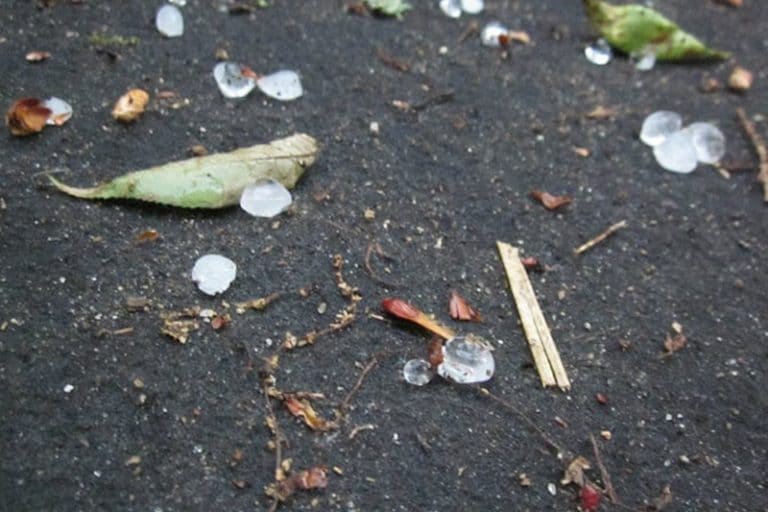
Living in Colorado, we’ve seen firsthand what a sudden hailstorm can do to an otherwise pristine vehicle. One minute you’re enjoying a sunny afternoon, and the next, golf ball-sized ice is pelting your car’s roof and hood. The aftermath? Dozens, sometimes hundreds, of dents that leave your vehicle looking like it lost a fight with a bucket of marbles.
At Rocky Mountain Dent Services, we’ve been repairing hail damage across the Denver Metro region since 1998, so we know the frustration that comes with discovering your car covered in dings. While we’re always here to restore your vehicle to like-new condition using our paintless dent removal (PDR) techniques, we’d much rather help you avoid that damage in the first place.
That’s why we’ve put together these five practical car care tips to protect your vehicle from future hail damage. Whether you’re a longtime Colorado resident or recently moved to the area, these strategies can save you time, stress, and potentially thousands in repairs.
Understanding How Hail Damages Vehicles
Before diving into prevention, it helps to understand exactly what happens when hail strikes your car. Hailstones form when updrafts in thunderstorms carry water droplets into extremely cold areas of the atmosphere, where they freeze into ice. These frozen pellets can range from pea-sized nuisances to baseball-sized projectiles, and everything in between.
When hail impacts your vehicle, the force creates dents by stretching and deforming the metal panels. The severity depends on several factors: the size and density of the hailstones, the speed at which they’re falling (sometimes accelerated by wind), the angle of impact, and the thickness of your car’s body panels. Modern vehicles often have thinner metal to reduce weight and improve fuel efficiency, which unfortunately makes them more susceptible to hail damage.
The hood, roof, and trunk lid typically suffer the most because they face upward and catch the brunt of falling ice. But don’t overlook the damage hail can cause to side panels, mirrors, and, perhaps most expensively, glass. A cracked windshield or shattered sunroof adds another layer of headache to an already stressful situation.
The good news? Most hail damage, particularly the dents on metal surfaces, can be repaired using paintless dent removal as long as the paint hasn’t cracked or chipped. This method preserves your vehicle’s original factory finish while restoring its appearance. But prevention is always better than repair, so let’s look at how you can shield your car from Colorado’s unpredictable weather.
Park in Covered or Protected Areas
This might sound obvious, but it’s the single most effective way to prevent hail damage: keep your car out of the storm’s path. When you’re at home, parking in a garage eliminates nearly all risk. At work or while running errands, seeking out covered parking structures should become second nature, especially during storm season from April through September.
We get it, though. Covered parking isn’t always available or convenient. And sometimes storms roll in faster than expected. In those cases, even partial protection helps. Parking under a building overhang, beneath a carport, or next to a tall structure that can block wind-driven hail is better than leaving your vehicle completely exposed in an open lot.
Choosing the Right Parking Structures
Not all covered parking is created equal. Here’s what to look for when scouting out hail-safe spots:
Multi-level parking garages offer the best protection since your car sits completely enclosed by concrete. If you have a choice of levels, pick something in the middle, not the top floor where your car is still exposed to the elements.
Carports with solid roofs work well for residential settings, though they won’t protect against hail driven sideways by strong winds. Consider adding side panels if your carport only has a roof.
Building overhangs and awnings provide decent coverage in a pinch, but make sure you’re actually positioned underneath them rather than just near them. A few feet can make all the difference.
One tip we share with customers: keep a mental map of covered parking options along your regular routes. Know where the parking garages are near your office, favorite restaurants, and grocery stores. When weather apps start showing storm warnings, you’ll already know where to head.
Invest in a Quality Car Cover
When covered parking simply isn’t an option, a specialized car cover can serve as your vehicle’s armor against hail. Now, we should be clear, a standard fabric car cover designed to block dust and UV rays won’t do much against ice falling from the sky. You need something specifically engineered for impact protection.
Hail-resistant car covers typically feature multiple layers of padding, often including foam or inflatable air chambers that absorb and distribute the force of hailstone impacts. Think of it like bubble wrap for your car, but engineered to handle serious abuse.
The investment can range from $100 for basic padded covers to $500 or more for premium options with the most protection. Considering that even minor hail damage repair can cost several hundred dollars (and severe damage runs into the thousands), the math makes sense, especially if you live somewhere prone to frequent storms.
Features to Look for in Hail-Resistant Covers
When shopping for a hail protection cover, keep these features in mind:
Adequate padding thickness is crucial. Look for covers with at least a quarter-inch of foam padding, though more is better. Some premium covers offer half-inch or thicker padding specifically designed to absorb hail impacts.
Secure attachment points prevent the cover from blowing off during high winds that often accompany hailstorms. Straps that go under the vehicle, magnetic edges, or weighted hems keep everything in place when it matters most.
Custom fit options ensure the cover actually protects every inch of your car‘s exterior. A cover that’s too small leaves vulnerable areas exposed, while one that’s too large might not stay secured.
Quick deployment design matters because you won’t always have twenty minutes to wrestle with a complicated setup. The best hail covers unfold easily and can be secured in just a few minutes, critical when you’re racing against an approaching storm.
Keep your cover somewhere accessible, like your trunk or garage, so you can deploy it quickly when weather conditions deteriorate.
Monitor Weather Forecasts Regularly
Being proactive about weather monitoring can give you the lead time needed to protect your vehicle. Colorado’s weather patterns are notoriously unpredictable, we’ve all seen those summer afternoons where clear skies turn into violent thunderstorms within an hour. But with modern forecasting tools, you can usually get at least some warning.
We recommend downloading a reliable weather app that offers severe storm alerts and radar tracking. Apps like Weather Underground, RadarScope, or even the standard Weather Channel app can send push notifications when hail-producing storms enter your area. Enable these alerts and actually pay attention to them, it does no good if you ignore the warnings.
During peak hail season (roughly May through August in Colorado), make checking the forecast part of your morning routine. If meteorologists are predicting afternoon thunderstorms with potential for severe weather, plan accordingly. That might mean leaving work a bit early to get your car under cover, skipping the outdoor lunch spot in favor of somewhere with a parking garage, or simply keeping your hail cover handy.
Radar apps deserve special mention here. Learning to read weather radar gives you real-time information about where storms are developing and which direction they’re moving. You can literally watch a hail-producing cell approach and make decisions minute by minute. It takes a bit of practice to interpret what you’re seeing, but it’s a worthwhile skill for anyone living in hail-prone regions.
Remember, the National Weather Service issues specific hail warnings when large hail is expected. Take these seriously. A severe thunderstorm warning mentioning quarter-sized hail (or larger) means it’s time to get your car protected, immediately.
Apply Paint Protection Film or Ceramic Coating
While no coating or film will completely prevent dents from forming, protective treatments can minimize secondary damage to your vehicle’s finish. This matters more than you might think, because the condition of your paint affects what repair options remain available after a hailstorm.
Paintless dent removal, the method we specialize in at Rocky Mountain Dent Services, only works when the paint layer remains intact. If hail cracks, chips, or otherwise damages the paint, traditional body shop repairs become necessary, which are significantly more expensive and time-consuming. Protective treatments help keep that paint layer healthy.
Paint protection film (PPF), sometimes called clear bra, is a transparent urethane film applied directly to your car’s exterior. The better films are quite thick (around 8 mils) and have self-healing properties that allow minor scratches to disappear with heat exposure. PPF won’t stop a large hailstone from denting your hood, but it can prevent that same impact from chipping the paint, meaning PDR remains a viable repair option.
Ceramic coatings offer a different type of protection. These liquid polymer treatments bond chemically with your factory paint, creating an additional hard layer. High-quality ceramic coatings add scratch resistance and help the paint withstand minor impacts without chipping. Like PPF, ceramic coating won’t prevent dents, but it helps preserve paint integrity.
Some car owners opt for both: PPF on high-impact areas like the hood, front bumper, and roof, with ceramic coating covering the rest of the vehicle. It’s not a cheap approach, professional PPF installation can run ,500 to ,000 depending on coverage, and ceramic coatings add several hundred more, but for luxury vehicles or anyone wanting maximum protection, the combination makes sense.
The takeaway here: protecting your paint protects your repair options. When hail damage inevitably happens, you’ll be grateful your paint stayed intact.
Consider Portable Hail Protection Systems
The car care industry has developed some creative solutions for hail protection that go beyond traditional covers. Portable hail protection systems represent the next level of defense, offering more robust coverage for those who frequently park outdoors or live in especially hail-prone areas.
Inflatable car covers are exactly what they sound like, covers with built-in air chambers that inflate to create a cushioned barrier around your vehicle. The air acts as a shock absorber, dissipating the energy from hail impacts before they can dent your car‘s body panels. These systems typically require a small electric pump and take about 5-10 minutes to fully inflate.
Portable carport systems offer another approach. These collapsible structures set up quickly and provide overhead protection similar to a permanent carport. Some models fold down small enough to store in your trunk, making them available whenever you need protection away from home. They’re particularly popular among car enthusiasts who attend shows or events where their vehicles sit exposed for extended periods.
Hail blankets fall somewhere between a basic cover and an inflatable system. These heavy-duty quilted blankets use thick padding to absorb impacts and typically cover just the roof, hood, and trunk, the areas most vulnerable to hail. They’re faster to deploy than full-car covers while still offering meaningful protection.
The right choice depends on your specific situation. If you regularly park outdoors at work or home without covered options, investing in more substantial protection makes financial sense. Even a mid-range hail protection system costing a few hundred dollars can pay for itself after preventing just one significant hailstorm’s worth of damage.
We’ve seen customers bring their vehicles in after storms where their neighbors’ cars sustained hundreds of dents, yet their own vehicles escaped with minimal damage thanks to portable protection systems. The peace of mind alone is worth considering.
Conclusion
Preventing hail damage eventually comes down to preparation and awareness. By understanding how hail impacts your vehicle, prioritizing covered parking, investing in protective covers or coatings, monitoring weather forecasts, and considering portable protection systems, you dramatically reduce your chances of dealing with storm damage.
That said, we live in Colorado. Hailstorms happen, and sometimes they catch even the most prepared vehicle owners off guard. When that happens, know that our team at Rocky Mountain Dent Services is here to help. Our paintless dent removal technicians have been restoring hail-damaged vehicles to like-new condition since 1998, and we handle everything from working with your insurance company to arranging a rental car during repairs.
We offer free estimates on all hail damage repairs, and comprehensive insurance typically covers the work with zero out-of-pocket cost to you, we even cover your deductible. Plus, our lifetime guarantee means the repair stays perfect for as long as you own your vehicle.
Whether you’re implementing these prevention tips or already dealing with damage from a recent storm, we’re your partner in keeping your car looking its best. Prevention is ideal, but when Mother Nature wins a round, professional PDR repair is the next best thing.
Don’t let hail damage linger. Contact Rocky Mountain Dent Services for a free inspection and estimate, we’ll get you back on the road with a vehicle that looks like the storm never happened.
